
Sneha Jaiswal (Twitter | Instagram)
Mishima Futoshi is a gorgeous high-school student, constantly cornered and bullied by four classmates who mock him for appearing ‘gay’ due to his long hair. The thing is, it’s the 1990s—Futoshi is, in fact, attracted to men, secretly cross-dresses, and has no friends. To avoid drawing extra attention, he quietly endures the bullying. Futoshi makes his first real friend when he accidentally catches Kirino Makoto (Sono Shunta), one of his chief tormentors, trying on a lipstick that belongs to him. While finally having an ally feels great, it’s still hard to be a closeted teen in a stifling rural village.
Directed by Sawada Ikuko, the Japanese mini-series “Smells Like Green Spirit” is based on the manga of the same name (Japanese title: スメルズライクグリーンスピリット) by Nagai Saburo. Araki Towa plays the primary protagonist, Mishima, and if not for the very noticeable wig, Araki portrays the complex teen character to perfection. Despite being constantly bullied, Mishima doesn’t let it break his spirit. He doesn’t wallow in self-pity or insecurities; instead, he takes pride in his good looks without being arrogant or vain and dreams of a better life where he can fully embrace his true self.
Spanning eight episodes, “Smells Like Green Spirit” primarily focuses on teen Futoshi’s turbulent school life, his close relationship with his widowed mother Mishima Kayo (Sakai Wakana), and his newfound friendship with Makoto. The platonic friendship between Futoshi and Makoto is fresh and it’s fun to watch them bond over men, make-up, gossip, and their shared experience of struggling with their burgeoning sexuality. They’re both extremely attached to their mothers, but while Futoshi’s mom is laidback, cheery, modern, and hip, certainly the kinds who would choose her son’s happiness over societal norms, Makoto’s mother is conservative, serious, domineering, and her social standing means everything to her. This contrast in their domestic dynamics serves as a crucial plot device in the series to demonstrate how parental relationships can drastically affect the graph of someone’s life.
Two other major subplots in Smells Like Green Spirit include Futoshi’s evolving relationship with his classmate Yumeno Taro (Fujimoto Kodai), who, along with Makoto, used to bully him but now seems to have confusing romantic feelings for him. The other subplot follows Abe Alan as Yanagida, a new teacher from Tokyo who takes an unhealthy interest in Futoshi. I last saw Abe Alan as the lead protagonist in the Japanese romantic comedy BL Drama no Shuen ni Narimashita, where he was charmingly hilarious as a big star with a crazy crush on a fellow actor. However, as Yanagida in Smells Like Green Spirit, he is deviously creepy and unhinged as a predatory teacher, showcasing an impressive range as an actor.
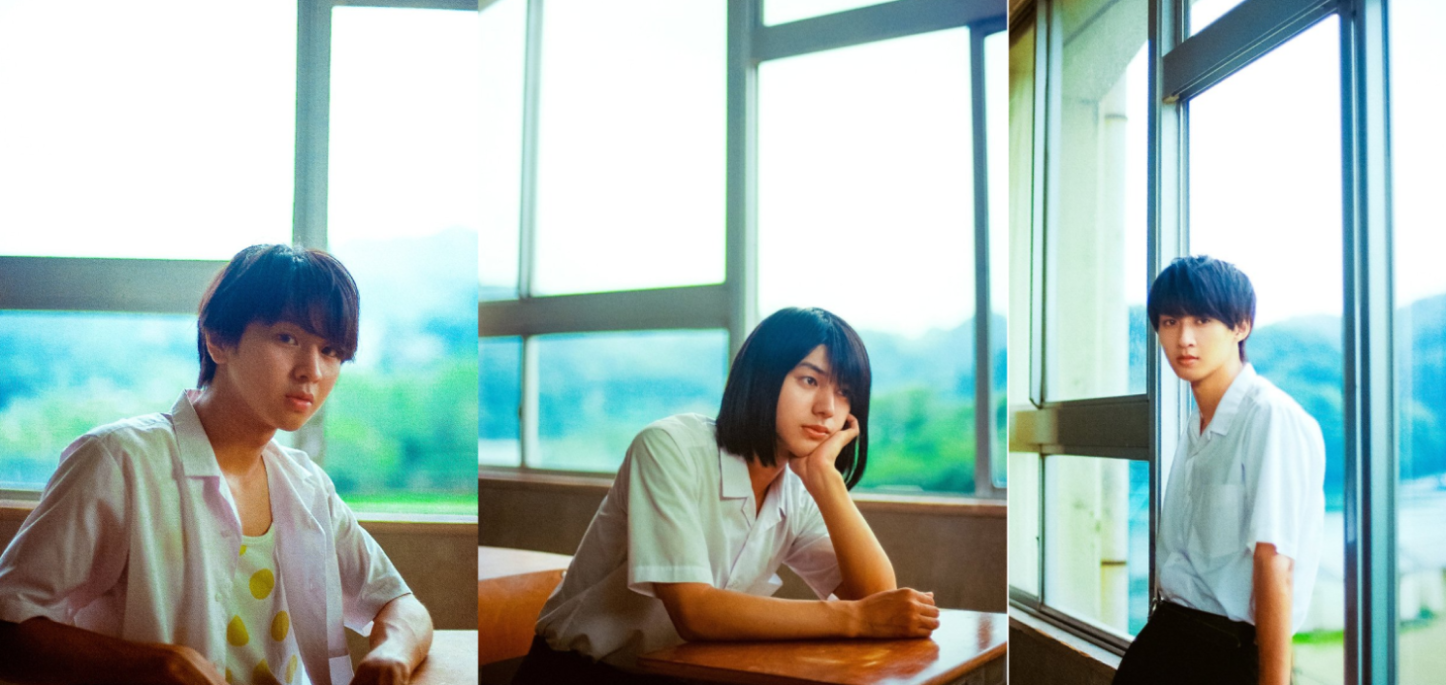
The cinematography is simple and warm-toned, capturing both the charm and chaos of rural towns. The house Futoshi shares with his mother is filled with 1990s clutter, giving it a lived-in feel, unlike the sleek, hotel-like apartments often seen in newer teen dramas. It also mirrors the slightly unpredictable and laid-back personalities of Futoshi and his mother. In contrast, Makoto, who comes from a wealthier family, lives in a more orderly, pristine home, reflecting the strict atmosphere and lack of creative freedom within his household.
The background score is understated, but in some moments, its groovy, low-key vibe subtly enhances the scenes it accompanies. The opening theme, “I’ll Be There for You,” with lyrics that might draw inspiration from the iconic Rembrandts song for the American sitcom Friends, is a nostalgic pop tune that echoes the show’s central theme of friendship.
Araki Towa, as the lead Futoshi, is undoubtedly the star of this 90s-themed coming-of-age tale, which credibly depicts the challenges of being closeted, especially in a small rural village dominated by gossiping aunties who run the local rumor mill. Towa’s Futoshi is kind, mild-mannered, with his head always in the air. And even though he isn’t vocal about his sexuality, he doesn’t make any extra effort to hide it either, making him an amusing capricious bundle of reticence.
In the second half of Smells Like Green Spirit, Futoshi is seen locked in a hug with both Makoto and Yumeno Taro on different occasions, each time as a gesture of support—an attempt to comfort a shaken Makoto, who is reeling from a traumatic event. However, the aunties twist these innocent hugs into lewd gossip, painting Makoto as “the good-looking mantrap who’s caught two different men in his net.” The way each family reacts to the gossip varies from mildly amusing to deeply unsettling, serving as food for thought for viewers.
Overall, Smells Like Green Spirit is an entertaining teen drama with an intriguing blend of comedic and serious elements. Given that some of the previous Japanese titles I’ve seen (‘Look Back’/‘Happy of the End’/‘Drawing Closer’) leaned more on the depressing side, I was quite anxious that Futoshi’s story might end in needless tragedy. However, he’s the kind of character you can’t help but root for to have a happy ending. Thankfully, Smells Like Green Spirit concludes on a bittersweet note, and even though the climactic episode feels a bit haphazard and rushed, it still delivers a fairly satisfying ending.
Rating: 8 on 10.
Read Next: Sugar Dog Life Review: Filling Plates, Romance on a Diet
Also Read: Nobody Wants This Review – The RomCom We Need (Short Audio Version below)