

Sneha Jaiswal (Twitter | Instagram)
In November 2006, 51-year-old Nora Dalmasso was found murdered in her house in a gated community in Río Cuarto, an Argentinian city. Early reports revealed she was strangled to death with the belt of her bathrobe after consensual sex by an unknown perpetrator. At the time of her death, her doctor husband Marcelo Macarrón was out of town playing golf, their 20-year-old son Facundo Macarrón, a law student, was out partying with friends, and 16-year-old daughter Valentina Macarrón was studying in the United States. What followed her death was a media frenzy over the ‘crime of passion’, turning Dalmasso from victim into a target of rabid moral policing and sensationalist scrutiny.
The three-part Netflix true-crime documentary ‘The Many Deaths of Nora Dalmasso’ by Jamie Crawford follows how the murder case played out in the courts and media, where both the authorities and some section of the media seemed intent on pursuing convenient theories instead of looking for concrete clues and evidence to nab the killer. The title emphasizes the horrid fate for Nora Dalmasso, first murdered by an unknown person, and later by relentless character assassination in the media.
The documentary features detailed testimonies of Nora Dalmasso’s family, including husband Marcelo, Facundo, Valentina, along with interviews of journalists, lawyers, forensic experts, legal experts who worked on the case. The first episode of ‘The Many Deaths of Nora Dalmasso’ is titled ‘The Crime’, introducing viewers to what happened on the night of Nora’s death, while the next two titled ‘The Accused’ and ‘The Trial’ reveal who emerged as primary suspects in the case and how the law took its course in the case. Some of the twists in the case were no less than a Hollywood thriller, leaving the public often in shock.
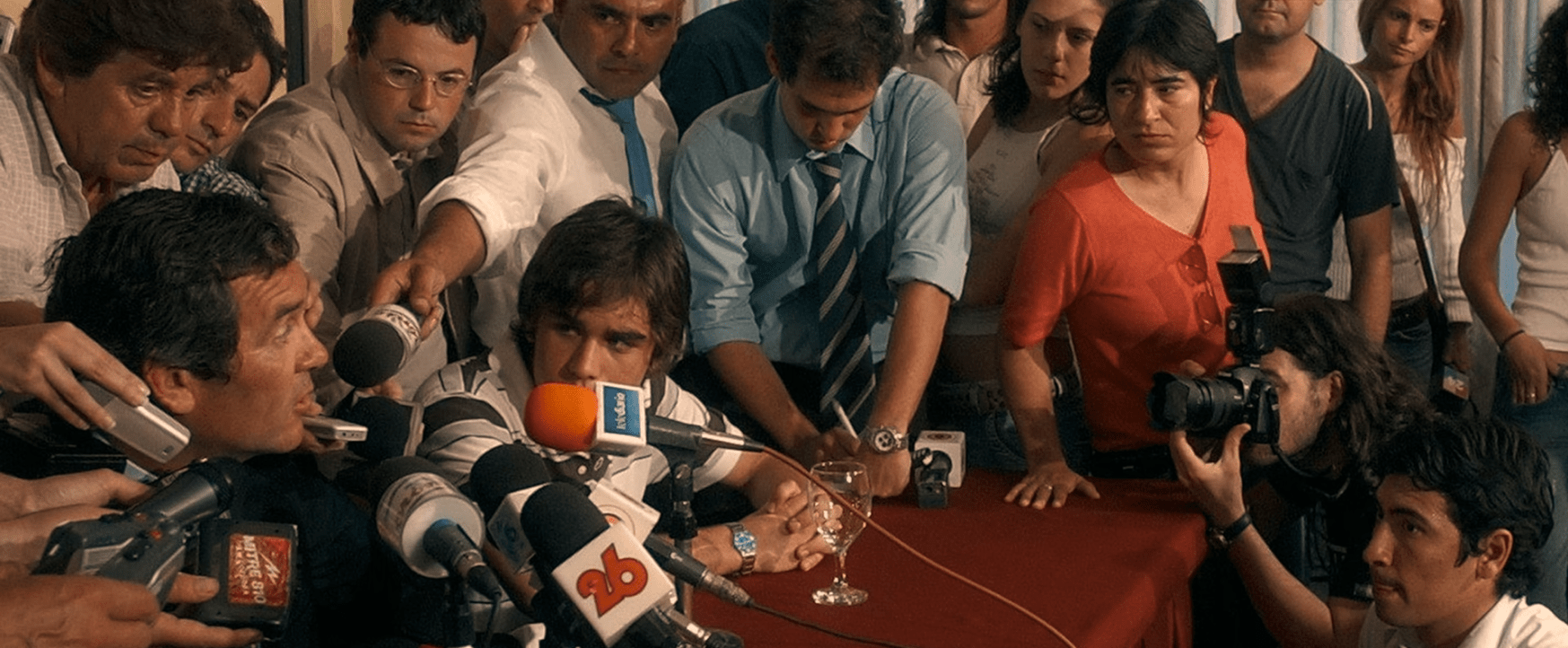
There’s file footage from old TV news reports that show the media relentlessly hounding the Dalmasso family, following them to Nora Dalmasso’s grave when they were taking teen Valentina to see her mother, because she wasn’t able to make it back to Argentina in time for the funeral. Dozens of reporters follow the family right up to Nora’s grave, while the kids beg them to give them some privacy. That footage made me feel ashamed as a former television journalist (sure, it’s not the first time, but I am glad I haven’t become insensitive to these things yet), to see the family being hounded for quotes while they’re trying to grieve their mother.
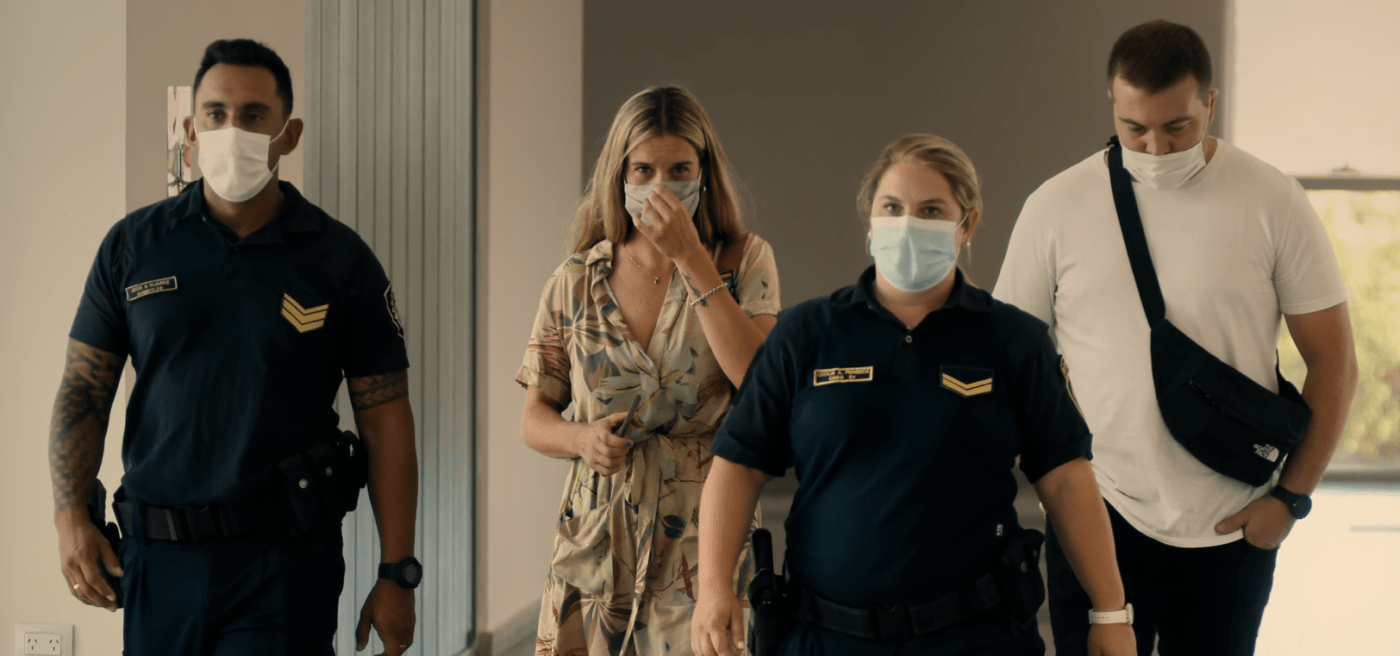
Thanks to the relentless media coverage of the case, Jamie Crawford and his team had no shortage of archival footage for their documentary. The series places strong emphasis on how the media sensationalized the case, contrasted by interviews with Nora Dalmasso’s children, who speak candidly about the emotional toll the coverage took on their lives. However, the documentary offers little insight into how the investigators actually pursued leads or built the case. Strangely, it even mentions a new suspect who emerged much later, without ever naming them, leaving viewers to search online for more information. You can read this article on ‘People’ for more details on the latest suspect identified by the authorities in 2024.
Overall, as the narrator puts it, the three-part documentary serves as a mirror to the dysfunctional society and justice system we live in. Nearly two decades have passed since Nora Dalmasso was murdered in her own home, and the case still lacks a conviction. At one point, a local painter was arrested as a suspect, triggering spontaneous protests across the city, with citizens accusing the authorities of scapegoating a poor man to close the case. The Macarrón family, portrayed as wealthy and well-connected, appeared untouchable. Yet when the victim is a woman, class boundaries seem to vanish, and justice remains out of reach for Nora Dalmasso.
For international viewers unfamiliar with the case, this Netflix documentary offers an intriguing, even if incomplete, look at one of Argentina’s most scandalous crimes.
Watch ‘The Many Deaths of Nora Dalmasso’ on Netflix.
Read Next: ‘Trainwreck: The Astroworld Tragedy’ – More Emotional Than Investigative
Also Read: Sirens Netflix Series Review (Short Audio Version below)
