

Sneha Jaiswal (Twitter | Instagram)
There’s a framed picture in our family bookshelf of a three-year-old me holding a doll almost my size. We’re almost dressed the same way, in frilly dresses, but I am a brown Indian brunette, and the doll is blonde with sparkly blue eyes. I did own a Barbie doll or two as a child, all of them gifts from an aunt, and most definitely white and blonde. It never even occurred to me that our dolls didn’t look like us, which could be because I quickly moved on to being obsessed with movies, books, and video games by age eight. However, the “Black Barbie” documentary by Lagueria Davis proved to be an interesting look at how dolls can shape a child’s idea of beauty and self-worth.
Director Lagueria Davis begins the “Black Barbie” documentary by explaining why she decided to focus on the subject. She was visiting her aunt Beulah Mae Mitchell, who is a big doll collector, and while Lagueria herself hated dolls, she wanted to understand her aunt’s doll craze, which led her to learn that Beulah Mae Mitchell was one of Mattel’s first Black employees. Beulah joined Mattel with a toy testing job in 1955 and worked there for over four decades, giving her a front-row seat to the historic inclusion and evolution of Black dolls in the mainstream toy market.
“Black Barbie” features interviews with a whole host of fascinating women, including Kitty Black Perkins, who was hired by Mattel in 1976 and was their first Black designer. Even though Mattel did manufacture Black dolls in the 1960s, they were only ‘friends of Barbie,’ and it was Kitty Black Perkins who had the honor of coming up with the design for Mattel’s first Black Barbie, a sassy fashionista in a bright red dress who hit the market in 1980. From there on, Mattel has continued to introduce a whole range of diverse dolls to represent different people of color, even though they still don’t represent the toy market the way the white, blonde Barbie does. Some of the interviewees who grew up in the 1980s or 90s didn’t know Black dolls existed (like I didn’t know until the late 2000s) at all.
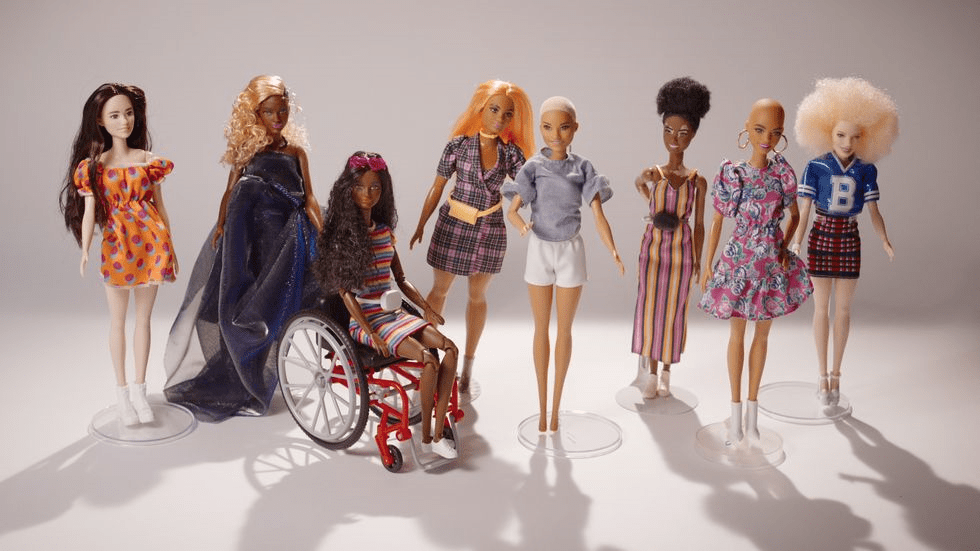
What I liked about the “Black Barbie” documentary is the fact that Lagueria Davis tries to put in a lot of different perspectives on the niche issue of how dolls can affect a child’s worldview. From famous writer Shonda Rhimes to Olympic medalist Ibtihaj Muhammad, many different successful women weigh in on their experiences of what it was like to have (or not have) dolls that they could aspire to become like. “All the Barbies I had, they were white Barbies, and I felt like I needed to look like them. But having that to be a standard made me, myself, and other Black girls feel inadequate,” an interviewee tears up while recalling her experience with dolls. There’s a small section where an educator interviews children on their perception of different Barbies, which throws light on how kids don’t necessarily fixate on the color of their toys; however, they do form subconscious opinions about beauty standards. It would’ve been more entertaining to see more of the children express their views and citations of newer studies on the impact toys have on minors.
The 1-hour 40-minute-long documentary also briefly delves into the history of Shindana Toys, a toy company that aimed at empowering Black individuals and manufactured diverse dolls whose features were ethnically representative of people of color. Even though Shindana would go on to shut its doors, thanks to competitors realizing the market potential of Afro-centric toys, the makers played a significant role in promoting Black dolls.
“Black Barbie” of course packs in a lot of Barbies, including limited edition collectibles that Beulah Mae Mitchell and Kitty Black Perkins own, so director Lagueria Davis has plenty of Black Barbies to put on display throughout the runtime. The focus largely remains on Mattel’s role in bringing representation to the doll market and how there’s still a long way to go before it becomes truly “normal” for dolls of different hues to take their place on toy shelves instead of white blonde ones dominating the space.
Overall, “Black Barbie” is a well-made documentary that might feel a bit too long for its subject matter, but it’s filled with interesting interviews and perspectives that keep it watch-worthy until the end.
You can stream “Black Barbie” on Netflix.
Read Next: Lore Olympus Season 2 Review – Amusingly Epic!
Read Next: Mother-Daughter Murder Night Book Review (Audio version below)
